From Chiffon to Satin: A Stylish Guide to Bridesmaid Dress Fabrics
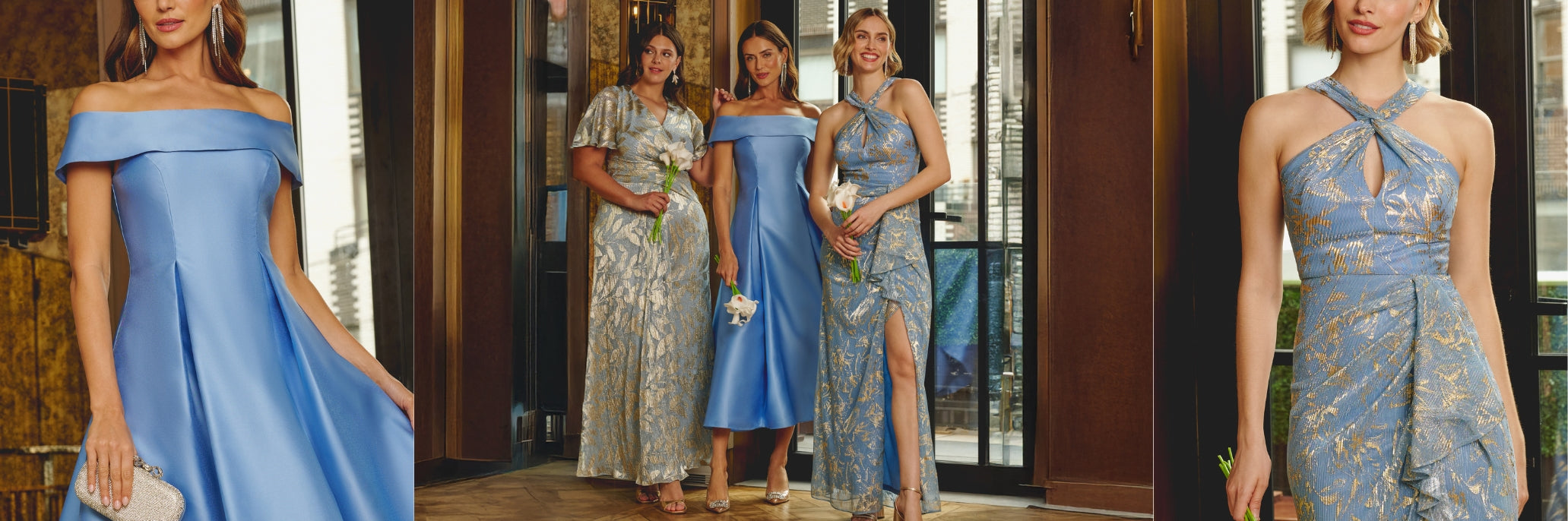
Choosing the perfect bridesmaid dress isn’t just about color and silhouette; it’s also about the fabric. The texture, weight, and drape of a dress can completely change its overall look, comfort, and movement. This guide explores the most popular bridesmaid dress materials, helping you understand their unique qualities so you can choose the perfect fabric for your wedding day vision.
Table of Contents
- What Are the Most Popular Fabrics for Bridesmaid Dresses?
- How Do You Choose the Right Fabric for the Wedding Season?
- Are There Sustainable or Eco-Friendly Bridesmaid Dress Fabrics?
- What Are Common Mistakes to Avoid When Choosing Bridesmaid Dress Fabrics?
- Why Fabric Choice Can Make or Break Your Bridesmaid Look
- Frequently Asked Questions
What Are the Most Popular Fabrics for Bridesmaid Dresses?
Bridesmaid dress fabrics vary widely, each offering a unique combination of texture, weight, and visual appeal. Here’s a breakdown of the most-loved choices:
Velvet Bridesmaid Dress
Rich, plush, and luxurious, velvet is perfect for winter weddings. It has depth, warmth, and a regal quality that stands out in photographs.
Adrianna Papell’s velvet bridesmaid dresses showcase this sumptuous texture in flattering silhouettes, making them an elegant choice for bridal parties seeking both style and seasonal comfort.
Satin Bridesmaid Dress
With its glossy finish and smooth texture, satin exudes timeless glamour. It works well for formal or evening weddings and photographs beautifully under warm lighting.
Adrianna Papell’s satin bridesmaid dresses combine that sleek shine with flattering fits, so your bridesmaids look and feel amazing all night.
Chiffon Bridesmaid Dresses
Chiffon is one of the best choices for bridesmaid dresses. Lightweight and slightly sheer, it drapes beautifully, making it ideal for flowing skirts and layered designs. Perfect for beach or outdoor weddings.
Crepe Bridesmaid Dresses
Crepe is known for its fine, slightly grainy texture that gives dresses a refined matte finish. Lightweight yet structured, it holds its shape well without feeling stiff, making it a go-to for clean, modern silhouettes. The fabric’s natural drape allows for graceful movement, while its subtle texture adds depth without overpowering the design. Crepe is also versatile; it works beautifully for both fitted and flowing styles, and it resists wrinkling better than many lightweight fabrics, making it a practical choice for long wedding days or destination celebrations.
Tulle Bridesmaid Dress
Often associated with whimsical or romantic weddings, tulle is soft, sheer, and perfect for layered skirts or delicate overlays. Tulle dresses showcase airy volume for a dreamy, ethereal look that moves beautifully down the aisle and on the dance floor.
Lace Bridesmaid Dress
Lace brings texture, intricate detail, and a touch of vintage charm to any bridal party. This versatile fabric can be used as a delicate overlay for subtle elegance or as the main material for a more romantic, statement look. With patterns ranging from classic floral to modern geometric designs, lace dresses work beautifully across a variety of wedding themes, from rustic garden settings to formal evening affairs.
Jersey Bridesmaid Dress
Soft and stretchy, jersey offers comfort without sacrificing style. Jersey dresses and gowns are a casual yet chic option for relaxed or bohemian weddings.
Organza Bridesmaid Dress
Light, crisp, and sheer, organza is ideal for voluminous skirts and structured designs without feeling heavy.
How Do You Choose the Right Fabric for the Wedding Season?

Fabric choice should match the season, venue, and overall wedding vibe.
-
Spring & Summer: Lightweight fabrics for bridesmaids like chiffon, crepe, or organza keep you cool while allowing breathability.
-
Fall & Winter: Choose heavier fabrics like velvet or stretch satin for warmth and a touch of opulence.
-
Destination Weddings: Chiffon, jersey, or light crepe resist wrinkles and travel well, perfect for beach or resort ceremonies.
Pro tip: Consider how the fabric behaves in different weather conditions—satin can feel warm under direct sun, while chiffon flows beautifully in a breeze.
Are There Sustainable or Eco-Friendly Bridesmaid Dress Fabrics?
Eco-conscious bridal parties have more options than ever. Look for:
-
Organic Cotton & Hemp Blends: Natural, breathable, and biodegradable.
-
Recycled Polyester: Made from repurposed plastic bottles, offering the durability of traditional polyester with a lower environmental impact.
-
TENCEL™ Lyocell: Produced from sustainably sourced wood pulp, it’s silky soft and biodegradable.
These options reduce environmental impact without compromising on style or comfort, making them a thoughtful choice for modern weddings.
What Are Common Mistakes to Avoid When Choosing Bridesmaid Dress Fabrics?
-
Ignoring Comfort: If a fabric looks beautiful but feels scratchy, hot, or stiff, bridesmaids will be uncomfortable all day.
-
Not Considering the Season: Heavy velvet in peak summer or lightweight chiffon in a winter barn wedding can cause discomfort.
-
Skipping a Fabric Swatch Test: Always order swatches to see how the color and texture appear in person.
-
Forgetting Movement: Fabrics like stiff taffeta may look stunning, but can limit movement during dancing or walking.
- Overlooking Photography Impact: Certain shiny fabrics can reflect light too strongly in flash photography.
Why Fabric Choice Can Make or Break Your Bridesmaid Look
The fabric you choose shapes not only the style but also the comfort, movement, and overall feel of your bridesmaid dresses. From the airy flow of chiffon to the structured elegance of crepe, the right material ensures your bridal party looks cohesive, feels comfortable, and photographs beautifully throughout the day.


HOURS
Monday - Sunday: 9:00 AM - 10:00 PM EST
Please contact us at customerservice@AdriannaPapell.com
HOURS
Monday - Sunday: 9:00 AM - 10:00 PM EST
- Choosing a selection results in a full page refresh.